
What Actually Adds Value to a Home (and What Doesn’t)
If you've ever thought about selling your home, you've probably wondered:
"Should I renovate before I sell?"
It's a fair question—and one that many homeowners get wrong.
The reality is that not every home improvement project increases your home's value. In fact, some expensive renovations return very little when it's time to sell.
Before you start swinging a hammer or writing a check to a contractor, let's look at what actually adds value to a home—and what projects may not be worth the investment.
Projects That Typically Add Value
1. Updated Kitchens
The kitchen is often called the heart of the home for a reason.
Buyers spend a significant amount of time evaluating kitchens, and outdated spaces can sometimes make a home feel older than it really is.
The good news? You don't always need a complete remodel.
Simple updates can make a big impact:
-
Painted cabinets
-
New hardware
-
Updated lighting
-
Quartz or granite countertops
-
Modern faucets
-
New appliances
Often, a thoughtful refresh delivers a better return than a full luxury renovation.
Why It Matters
Buyers want a kitchen that feels clean, functional, and move-in ready.
2. Bathroom Updates
Bathrooms are another area where buyers pay close attention.
Again, a complete remodel isn't always necessary.
Improvements such as:
-
New mirrors
-
Updated fixtures
-
Fresh grout
-
Modern lighting
-
New vanities
-
Fresh paint
can dramatically improve the appearance of a bathroom without a major investment.
Why It Matters
Bathrooms help buyers imagine themselves living comfortably in the home.
3. Fresh Paint
If there is one improvement almost every homeowner should consider before selling, it's paint.
Fresh, neutral paint can instantly make a home feel:
-
Cleaner
-
Brighter
-
Larger
-
More modern
Paint is relatively inexpensive compared to other projects and consistently delivers one of the highest returns on investment.
Why It Matters
Buyers notice fresh paint immediately—and it photographs beautifully online.
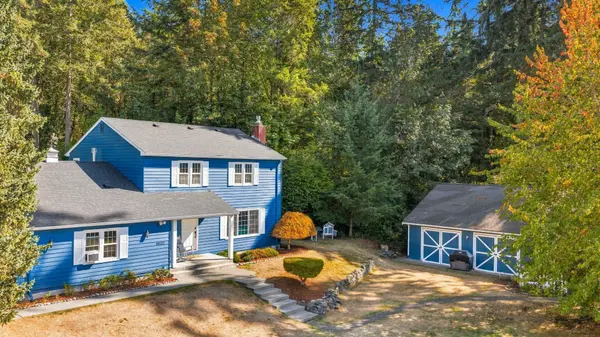
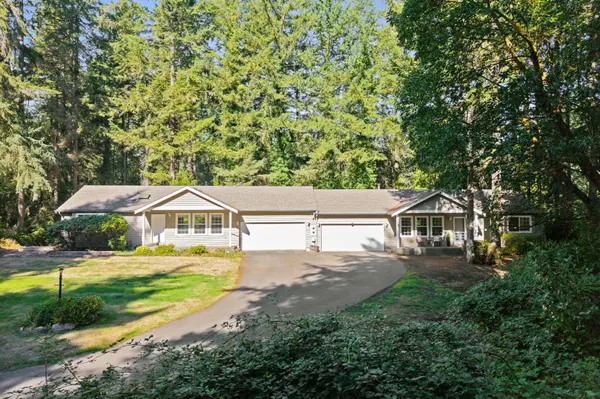
4. Landscaping and Curb Appeal
First impressions matter.
In fact, buyers often begin forming opinions about a property before they even step through the front door.
Simple improvements can go a long way:
-
Fresh mulch
-
Trimmed shrubs
-
Healthy lawn
-
Seasonal flowers
-
Pressure washing
-
Clean walkways
Why It Matters
A well-maintained exterior signals that the home has been cared for overall.
5. Flooring
Worn flooring can age a home quickly.
If your carpets are stained or your flooring is heavily damaged, replacement may be one of the best investments you can make before selling.
Popular buyer-friendly options include:
-
Luxury vinyl plank
-
Engineered hardwood
-
Refinished hardwood floors
-
New carpet in select areas
Why It Matters
Fresh flooring helps a home feel move-in ready and well-maintained.
Projects That Often Don't Deliver a Strong Return
Now for the surprises.
Many homeowners assume expensive upgrades automatically increase value. That's not always true.
1. Luxury Remodels
A $150,000 kitchen remodel rarely adds $150,000 in value.
While buyers appreciate beautiful finishes, there is often a point of diminishing returns.
High-end upgrades may help your home sell faster or stand out from competing listings, but they don't always produce a dollar-for-dollar return.
2. Highly Personalized Features
That custom wine cellar, indoor putting green, or built-in aquarium may be perfect for your lifestyle—but buyers may not see the same value.
The more specialized a project becomes, the smaller the pool of buyers who will appreciate it.
3. Swimming Pools (In Many Markets)
Pools can be wonderful for enjoyment, but they're often a lifestyle purchase rather than a financial investment.
Some buyers love them.
Others see maintenance, insurance costs, and safety concerns.
As a result, pools rarely return their full installation cost.
4. Converting Bedrooms
Sometimes homeowners combine bedrooms to create larger suites or specialized spaces.
While the result may be beautiful, reducing the official bedroom count can negatively impact resale value.
More bedrooms generally attract more buyers.
5. Over-Improving for the Neighborhood
One of the biggest mistakes homeowners make is upgrading far beyond surrounding properties.
Even if your renovation is stunning, buyers typically compare your home to nearby sales.
There is often a ceiling on what buyers are willing to pay within a particular neighborhood.
The Best Investment? Maintenance
Here's a secret many homeowners overlook:
The highest return often comes from maintaining your home properly over time.
Buyers notice when major systems have been cared for.
Things like:
-
Roof maintenance
-
HVAC servicing
-
Window repairs
-
Exterior paint
-
Plumbing updates
-
Clean crawl spaces and attics
may not be glamorous, but they create confidence and help buyers feel comfortable making strong offers.
Before You Renovate, Ask First
If you're thinking about selling in the next few years, it's smart to consult with a real estate professional before starting major projects.
What adds value in one neighborhood may not add value in another. The best improvements depend on your home's condition, price point, location, and the expectations of today's buyers.
The Bottom Line
When it comes to increasing your home's value, focus on improvements that buyers notice and appreciate most: kitchens, bathrooms, paint, flooring, curb appeal, and overall maintenance.
The goal isn't necessarily to create the most expensive home on the block—it's to create a home that feels well cared for, move-in ready, and appealing to the widest possible group of buyers.
Because when buyers fall in love with a home, that's where the real value begins.
Lindsay Jackman
Lindsay Jackman | Realtor
Real Broker LLC
Direct: 253 266 1067
Categories
Recent Posts




GET MORE INFORMATION